Life can be unpredictable, challenging, and at times, overwhelming. For those battling addiction, depression, or the lingering impact of growing up in a household plagued by substance abuse, the 12 Steps program offers a roadmap to healing and renewal. Originating in the 1930s through Alcoholics Anonymous (AA), this program has grown far beyond its beginnings, providing solace and support to millions. Let’s dive into what makes the 12 Steps so impactful, how it has transformed the lives of rock icons, and the unique way motorcycle clubs contribute to this journey of hope and resilience.
What Are the 12 Steps, and Who Are They For?
The 12 Steps program is a structured framework that guides individuals through self-reflection, accountability, and spiritual growth. While originally designed for those recovering from alcohol addiction, its principles resonate with a broad spectrum of challenges. The program’s core lies in accepting one’s limitations, seeking help, making amends, and committing to personal growth. It’s not just for addicts—people suffering from depression, anxiety, or the long-term effects of growing up with an addicted parent can also benefit immensely.
One of the most remarkable aspects of the 12 Steps is its accessibility. Meetings are free and can be found almost everywhere in the world—whether in person or online. These gatherings are safe spaces where people come together to share their experiences, provide support, and draw strength from one another. No matter where you are or what you’re facing, there’s likely a meeting nearby where you’ll find understanding and encouragement.
Here’s a quick overview of the steps:
Admitting powerlessness over the challenge.
Believing in a power greater than oneself.
Surrendering to that higher power.
Taking a fearless moral inventory of oneself.
Admitting wrongdoings to oneself, others, and a higher power.
Becoming ready to let go of defects of character.
Asking for the removal of these shortcomings.
Listing those harmed and making amends.
Making direct amends where possible.
Continuing self-reflection and admitting mistakes.
Seeking spiritual connection through prayer or meditation.
Helping others by sharing the message.
This program emphasizes that no one is alone in their struggles. Its success is rooted in community support and personal commitment, making it a beacon of hope for anyone seeking transformation.
Rock & Roll Redemption: Stars Who Embraced the 12 Steps
The music industry is no stranger to stories of excess and recovery. Many rockstars have faced their demons and found salvation through the 12 Steps program. Their journeys serve as a powerful reminder that even in the most chaotic lives, hope and change are possible.
Take Ozzy Osbourne, the legendary frontman of Black Sabbath. Known for his wild lifestyle and infamous antics, Ozzy’s struggles with substance abuse are well-documented. Yet, through dedication to sobriety and the support of the 12 Steps, he’s been able to rebuild relationships and continue sharing his gift with the world.
Other musicians, like Eric Clapton, have also credited the program for their recovery. Clapton’s battles with addiction inspired him to write heartfelt songs like „Tears in Heaven” and establish a treatment center to help others. By embracing the principles of the 12 Steps, these artists show that vulnerability and courage are essential to both personal and artistic revival.
Riding Sober: Motorcycle Clubs Supporting Sobriety
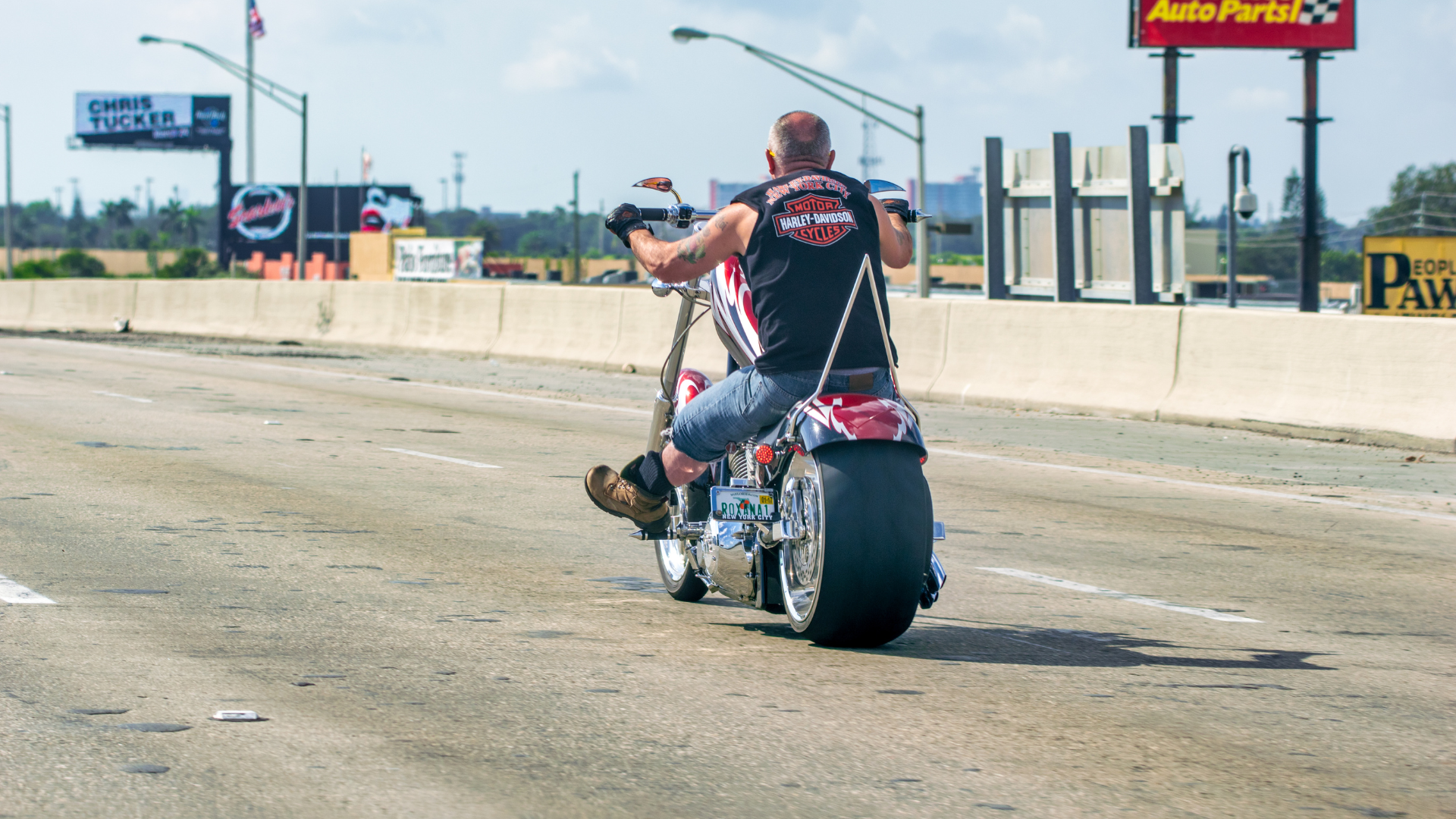
The open road, roaring engines, and the camaraderie of motorcycle culture may seem worlds apart from the introspective process of the 12 Steps. However, for many bikers, these worlds intersect in powerful ways. Sobriety-focused motorcycle clubs provide a space where members can merge their love for riding with their commitment to recovery.
Here are three noteworthy clubs making an impact:
Sober Riders MC: This international motorcycle club focuses on promoting a clean and sober lifestyle among its members. They provide a space where riders can bond over their shared love of motorcycles while supporting each other’s commitment to sobriety.
SOBER FG: Based in Poland, SOBER FG is dedicated to fostering connections among riders who’ve chosen a clean lifestyle. They exemplify how sobriety doesn’t have to be isolating—it can be full of shared experiences and mutual encouragement.
ARM (Association of Recovering Motorcyclists): Founded in the U.S., ARM offers a community for bikers who have embraced sobriety. With chapters worldwide, they create a supportive network for riders to share their recovery journeys while enjoying the freedom of the open road.
These clubs demonstrate that recovery is not about giving up the things you love—it’s about reclaiming them with clarity and purpose.